
The People Leaders Lab · Roundtable recap
In collaboration with Carré Le Page of Resilient Minds
On November 12, The People Leaders Lab brought people at very different career stages into TOGETHERHEADS Studio in Vancouver to talk about how mentorship could run in both directions.
Reverse mentorship flips the usual direction of learning. Someone newer to the work shares their perspectives and expertise, and someone more senior makes room to learn from them. At its best, the learning runs both ways.
Here is what the room came up with, including what gets in the way for the newest people in the room and two ideas that got the room debating.
What the newer-to-work group told us
Hearing from people new to work was a good reminder of how much courage it takes to speak up when you’re the newest person in the room.
Coaching up is hard when you are still learning the room.
Coaching up means offering feedback or guidance to someone more senior than you. It is difficult to think about doing that while you are figuring out the dynamics of a workplace. Office politics, and knowing when it is appropriate to share your insights, both came up as barriers.
Learning happens online, and with peers.
When we asked how people like to learn, the internet was the leading source: podcasts, YouTube and AI. Some of the newer-to-work guests also highlighted peer-to-peer learning, because it takes the pressure down while you are picking up a new skill.
No capacity, no mentorship
One more barrier came up: capacity. If people are scheduled at 100%, there is no room for mentorship in either direction.
We talked about the real-world pressures that squeeze it out, and about the long view. Making room for people to learn from each other is one of the ways you reduce attrition.
When calendars are already full, a new mentorship program can feel like one more thing on the list. So start smaller, with habits that fit inside the time you already spend together:
- Try a turn and flip. Ask a question, have everyone write their answer on a sticky note, then flip them over all at once. Nobody simply echoes the most senior voice in the room.
- End meetings with a genuine request for feedback.
Each takes about five minutes. Small moves like these can shift a culture.
The advice experienced leaders would offer
We opened the session by asking the room what advice they would offer. Most of these answers came from the millennials and Gen Xers, and they landed in three themes.
Ask for it.
- You don't get what you don't ask for. It is not that your manager doesn't care. They probably just aren't thinking about it.
- Ask questions. Leaders would rather hear that you are stuck or confused than find out later.
Try things, and go easy on your mistakes.
- Before you try something new, ask yourself "what's the worst that can happen?"
- When you make a mistake, remember people are all in their own worlds. No one is paying as much attention to it as you think.
- Be curious.
- Invest in yourself and keep learning.
Build your board.
- Build a personal board of directors: a handful of people you can go to for different kinds of perspective.
- Look for a sponsor, not only a mentor. A mentor gives you advice. A sponsor speaks up for you in rooms you are not in.
- Find a mentor who fills your cup, and you fill theirs back.
- Not getting useful feedback at work? Ask an AI tool to critique your work. Learning how to improve still counts, wherever it comes from.
Two ideas that got the room debating
The liveliest conversations of the night were the ones where people disagreed.
"Feedback is a gift."
Not everyone bought it. Anyone who has received careless feedback knows it can feel like the opposite. Where the room landed: feedback is a gift when it is delivered with care and clarity.
Anonymous feedback for leaders.
This one split the room. One side said anonymity can do more harm than good, because it removes context and accountability. The other side pointed out that it protects the person with less power, who often has the most to lose by being honest. My take: build trust first. I would encourage trust training before recommending anonymous feedback.
Trust the executor
One phrase from the night stuck: trust the executor.
When a senior employee oversimplifies a task because they are not close to it, they can miss the mark on the time it takes to do it well.
Take social media. Creating content can involve many more steps than they are picturing: concept development, scripting, filming, editing, captions, reel covers, end caps, hashtags and timing the post. If you are not the one doing the task, it is easy to forget how much goes on behind the scenes.
Trust the people who do the work to give you insight on best practices and realistic goals.
Believing them is reverse mentorship in its simplest form.
14 ways to build a workplace where everyone keeps learning
We closed by brainstorming how to make learning continuous, not a once-a-year program. The ideas sort by how much effort they take.
Try this week
- Coffee chats or walk and talks. Low stakes, no agenda required.
- A Slack or Teams channel for what you have learned. A new prompt, a shortcut, a lesson from a project.
- Turn and flip. The sticky note exercise described above. It takes five minutes and gets every voice in before the most senior one.
- Leaders, ask for feedback directly. Keep your composure when you don't agree, and act on enough of it that people feel heard.
- Invite challenge. Say out loud that you want to hear the other view. Have teammates play devil's advocate.
- Trust the executor. See above.
Build into how you work
- Put feedback into your meeting formats so it becomes a habit, not an event.
- Pair people with different levels of experience on the same assignment.
- Showcase what people are experts at. Host learning lunches where team members take turns sharing an idea or lesson on something they specialize in.
- Learn together. Watch a TED Talk as a team and discuss it, or share podcasts and talk about them over lunch. When you create a culture of continuous learning, it opens the door to talking about other ways to improve on the job.
- Ask about feedback preferences during onboarding. How does each person like to give it and receive it?
Needs real commitment
- Quarterly conversations between people about work, careers and growth.
- Volunteer mentors who are easy to find, with profiles or a listing.
- A plan for leadership buy-in. Mentorship programs take time, and they stall without support from the top.
Why in person helps
The opportunity to bring this to life is greater in person. There are more casual chats as you walk from meeting to meeting, over a shared lunch, or in the office kitchen getting coffee.
Stack up all of those micro engagements and you start to build a relationship that can hold mentorship in both directions.
Start with one
You do not need a formal mentorship program to begin. Pick one five-minute win and try it before your next team meeting.
About The People Leaders Lab
The People Leaders Lab is a community of people leaders in Vancouver who get together to work through questions like these. We host roundtables through the year, and everyone who attends is invited into our private LinkedIn community to keep the conversation going.
I'm Nikki Hedstrom, founder of KindCo, a Vancouver leadership and organizational development company focused on trust at work. I co-host the Lab with Carré Le Page of Resilient Minds. Carré provides resilience training and coaching so people can handle hard better.
Join a roundtable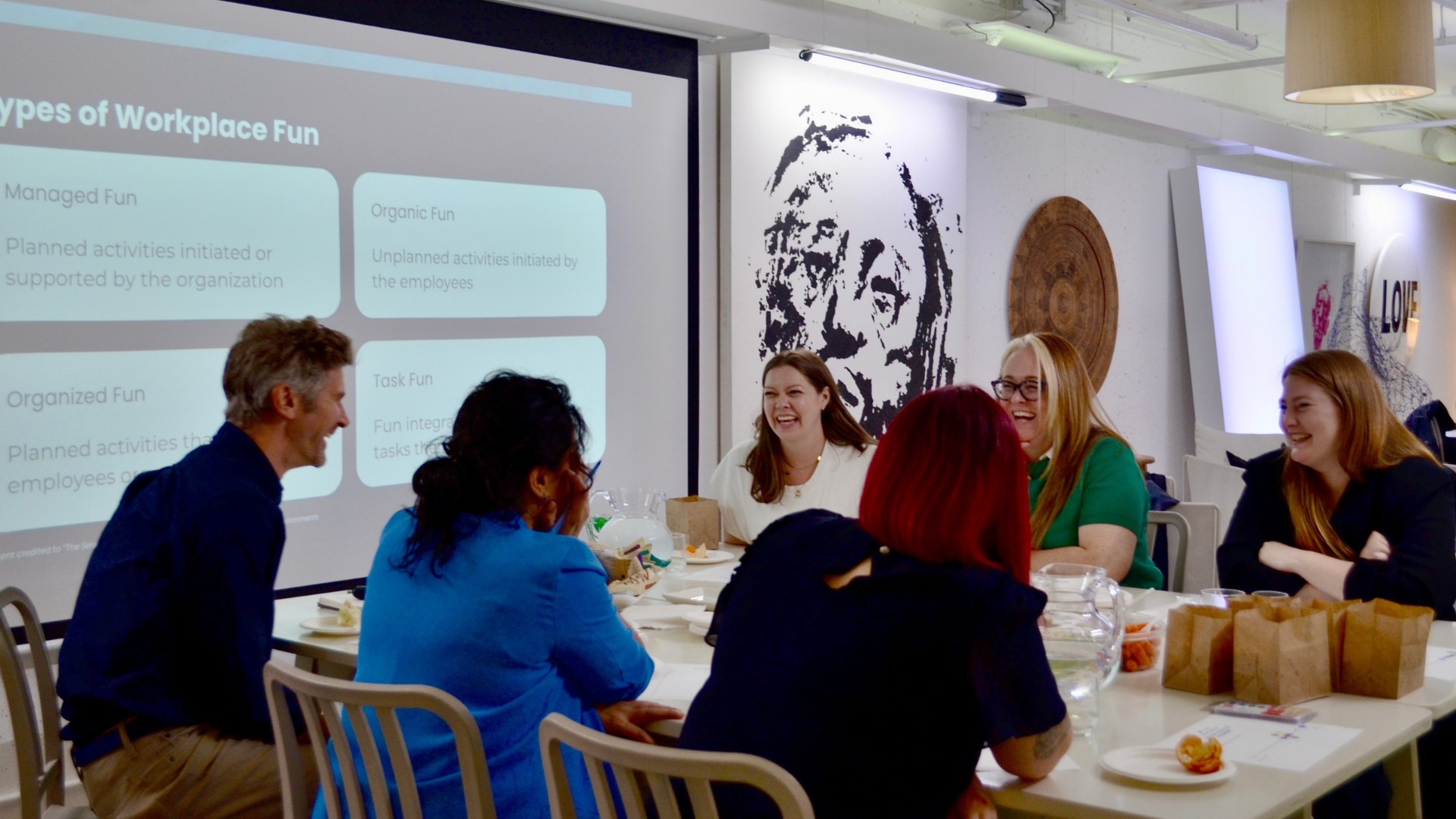
About KindCo
KindCo specializes in employee engagement through human connection. Based in Vancouver, we help teams build trust and a sense of mattering through trust-building workshops, soft skills training and employee events designed for connection.
Founder Nikki Hedstrom is a workshop facilitator and Trust At Work® Certified Practitioner. She brings 17+ years in people engagement, including designing in-person experiences for global brands in gaming, retail and automotive, to how teams connect and work together.
